
From Ground to Grid: How Planck Power Builds High-Performance Solar Power Plants
A detailed look at how Planck Power executes utility-scale solar projects — from engineering-led layout and site survey to structure erection, module installation, and seamless grid integration. Discover how precision planning and disciplined EPC execution ensure long-term plant performance and reliable clean energy generation.
2/10/20267 min read
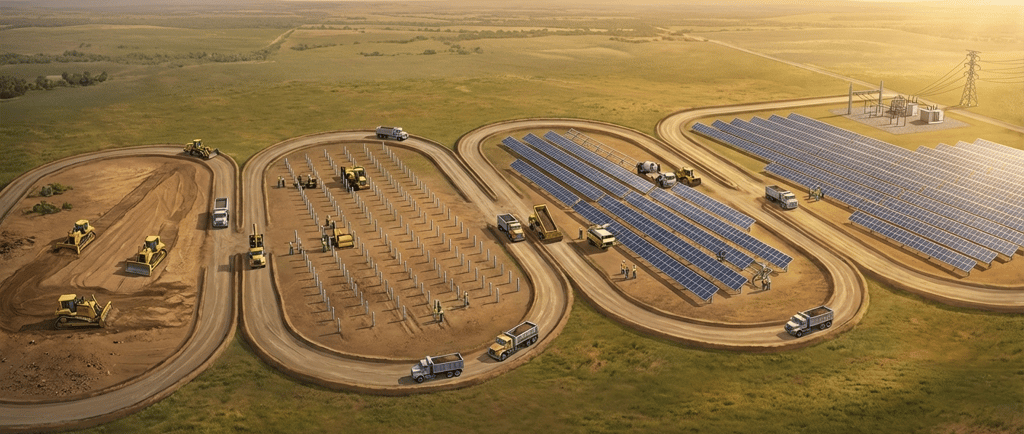
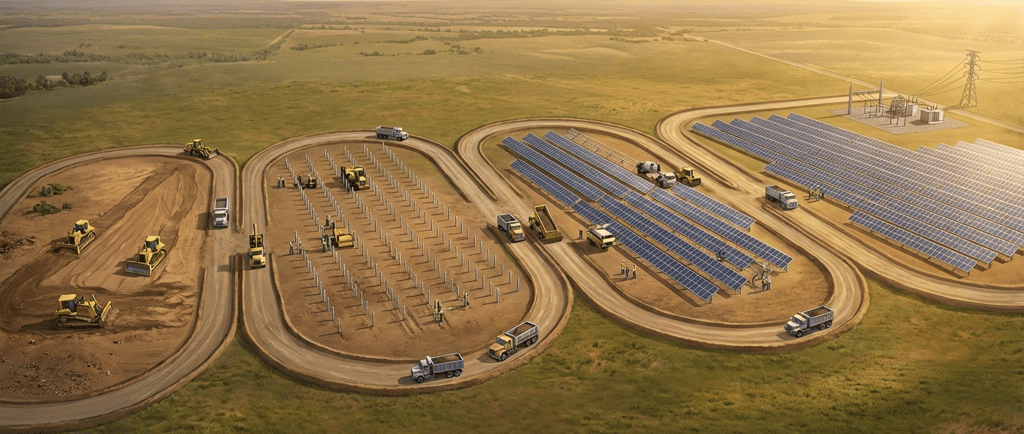
In solar EPC, the difference between an average plant and a high-performing one is rarely visible on paper — it is visible on the ground. Site conditions, execution quality, engineering discipline, and attention to detail during construction define how a solar power plant performs over the next 25 years.
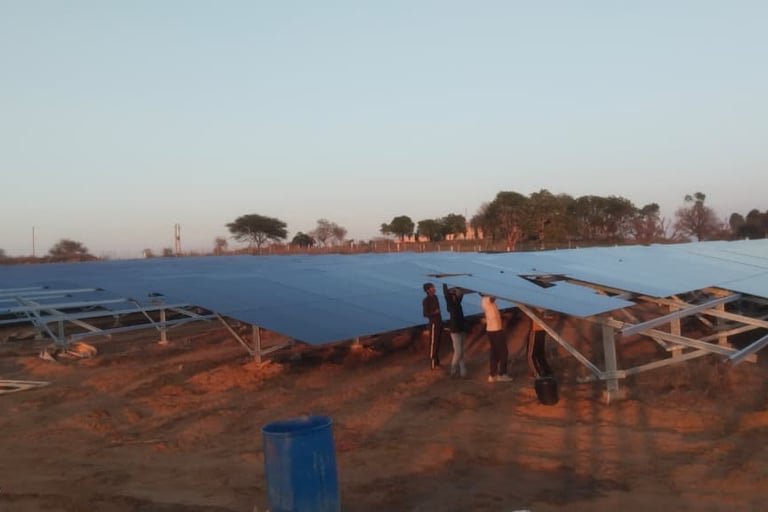
At Planck Power Private Limited, we believe solar plants are not just installations — they are long-term infrastructure assets. This blog walks through our on-ground execution journey, using real project images to show how we convert design intent into reliable generation.
1. Site Assessment & Ground Preparation
Every successful solar project starts long before structures or modules arrive on site. Detailed site assessment helps us understand terrain behavior, soil conditions, drainage paths, and access requirements.
Our teams focus on:
Land grading and leveling
Drainage planning to avoid water stagnation
Internal road access for material movement
Layout marking based on approved engineering drawings
Why this stage matters:
Poor site preparation leads to uneven structures, cable damage, waterlogging, and long-term maintenance issues. A well-prepared site ensures smoother execution and consistent plant performance.
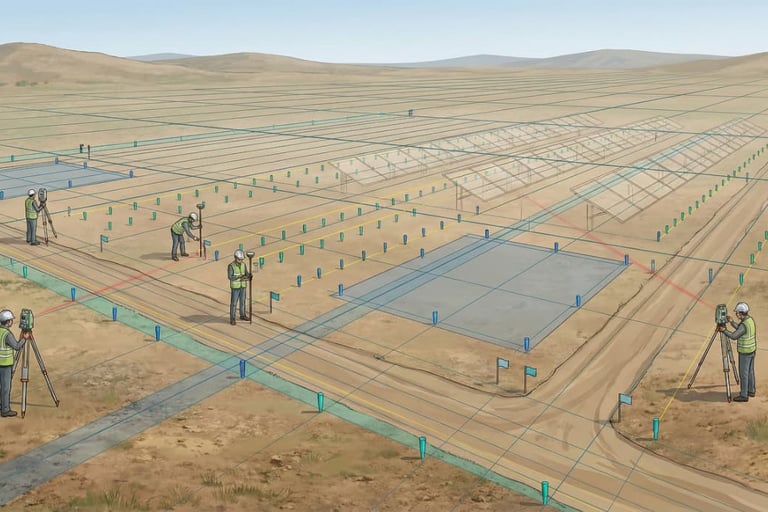
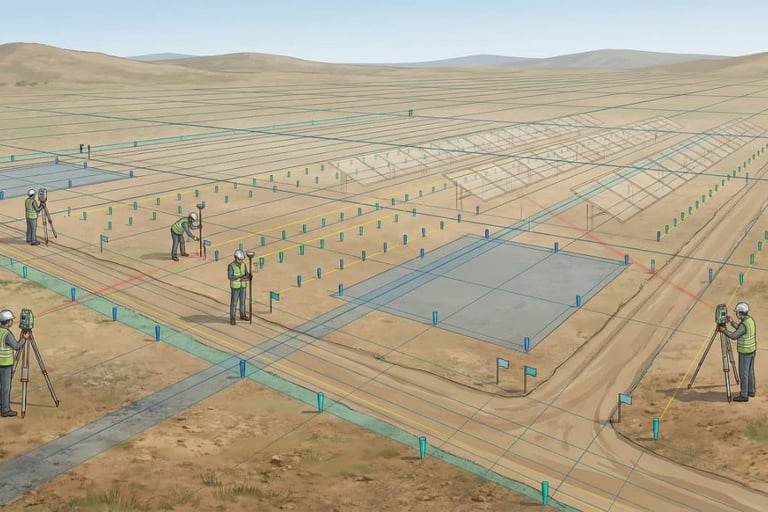
2. Engineering-Led Layout & Survey
Before execution begins, the site is surveyed and marked precisely as per design. Row spacing, tilt angles, orientation, and inverter placement are finalized to optimize generation while considering site constraints.
Key considerations include:
Shadow-free layout
Optimal row spacing for maintenance access
Electrical zoning for efficient power evacuation
This engineering-first approach minimizes energy losses and improves long-term reliability.
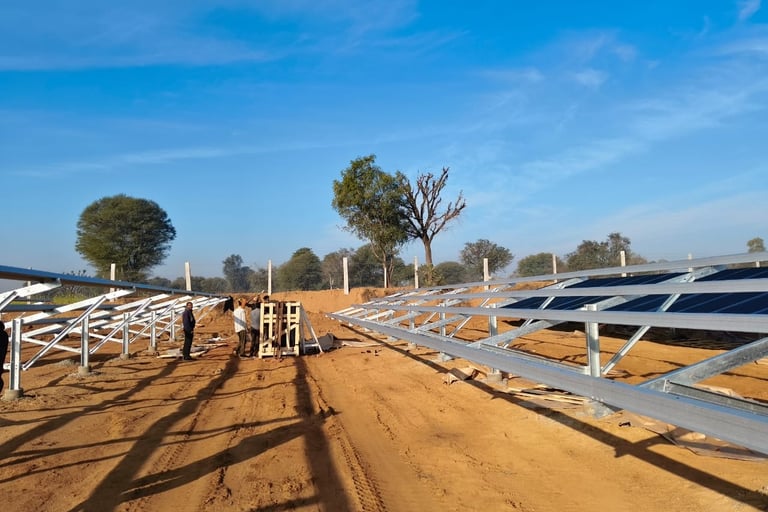
3. Structure Erection & Alignment
Structural systems form the backbone of a solar power plant. Whether fixed-tilt or single-axis tracker, structural accuracy directly impacts generation and durability.
Our structure installation focuses on:
Alignment accuracy and elevation control
Wind-load and corrosion-resistant design compliance
Proper torqueing and fastener integrity
Long-term stability across seasonal conditions
Execution discipline at this stage ensures the plant withstands wind, heat, and weather stress over decades.
4. Module Installation – Precision on the Ground
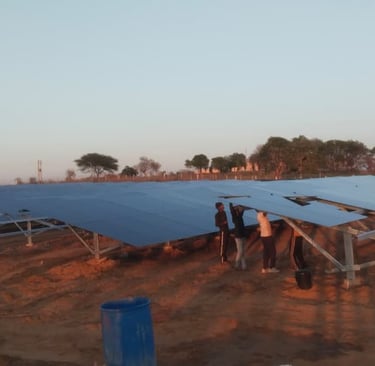
Module installation is a critical phase where safety, handling, and precision come together. Each panel is installed following strict quality guidelines to avoid micro-cracks, misalignment, or stress points.
Our teams ensure:
Correct orientation and uniform alignment
Controlled clamping torque
Proper earthing continuity
Clean handling and placement
Even minor errors at this stage can impact generation. That’s why every row is inspected before moving forward.
5. DC Electrical Works & String Formation
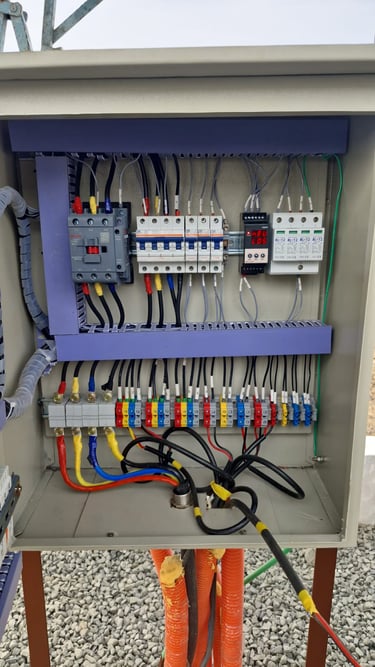
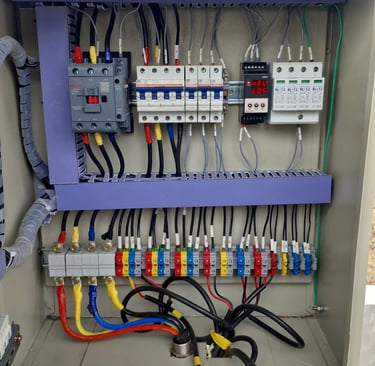
Electrical design quality becomes visible during DC work execution. String routing, cable dressing, and termination are handled carefully to minimize losses and improve safety.
Our DC execution principles:
Optimized cable lengths to reduce voltage drop
Proper segregation and labeling
UV-resistant cable management
Compliance with electrical safety standards
Clean DC execution simplifies troubleshooting and improves long-term uptime.
6. Inverter Stations & Power Conversion
Inverters are the heart of the solar plant, converting DC power into usable AC energy. Placement, ventilation, and protection are crucial for inverter health.
We focus on:
Logical inverter zoning for balanced loading
Safe access for operation and maintenance
Robust mounting and weather protection
Integration with monitoring systems
Proper inverter execution ensures stable generation and easier maintenance over the plant’s lifetime.
7. AC Works, Evacuation & Grid Integration
AC infrastructure ensures generated power is safely evacuated and integrated with the grid or captive load. Our execution emphasizes reliability and safety.
Key aspects include:
Transformer installation and alignment
Cable trenching and protection
Panel installation and testing
Coordination with utility requirements
This stage ensures the plant is grid-ready and compliant.
8. On-Site Supervision, Safety & Quality Control
Behind every megawatt installed is a coordinated on-site team. Our engineers, supervisors, and technicians actively monitor progress, quality, and safety throughout execution.
What defines our on-site culture:
Daily inspections and checklists
Strict safety protocols
Cross-team coordination
Immediate resolution of site challenges
Strong supervision ensures consistency across projects, regardless of size or location.
9. Testing, Commissioning & Performance Validation
Before handover, systems undergo testing and performance checks to ensure the plant operates as designed. Monitoring systems are activated to track generation and system health.
Commissioning confirms:
Electrical integrity
System synchronization
Performance benchmarks
This final step transforms construction into a functioning power asset.
10. Delivering Long-Term Value Through Solar
Every solar power plant contributes more than electricity. It delivers:
Long-term energy cost savings
Reduced carbon emissions
Improved sustainability metrics
Energy security for businesses
Each megawatt installed offsets thousands of tonnes of CO₂ over its lifetime — making solar a powerful business and environmental decision.
Building Solar the Right Way
At Planck Power, execution quality is non-negotiable. By combining strong engineering, disciplined site execution, and on-ground accountability, we deliver solar power plants built to perform — not just on commissioning day, but for decades.
If you’re planning a solar project and want a partner focused on quality, performance, and long-term value, we’re ready to build it.
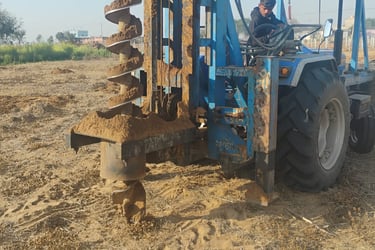
In solar EPC, the difference between an average plant and a high-performing one is rarely visible on paper — it is visible on the ground. Site conditions, execution quality, engineering discipline, and attention to detail during construction define how a solar power plant performs over the next 25 years.
At Planck Power Private Limited, we believe solar plants are not just installations — they are long-term infrastructure assets. This blog walks through our on-ground execution journey, using real project images to show how we convert design intent into reliable generation.
1. Site Assessment & Ground Preparation
Every successful solar project starts long before structures or modules arrive on site. Detailed site assessment helps us understand terrain behavior, soil conditions, drainage paths, and access requirements.
Our teams focus on:
Land grading and leveling
Drainage planning to avoid water stagnation
Internal road access for material movement
Layout marking based on approved engineering drawings
Why this stage matters:
Poor site preparation leads to uneven structures, cable damage, waterlogging, and long-term maintenance issues. A well-prepared site ensures smoother execution and consistent plant performance.
2. Engineering-Led Layout & Survey
Before execution begins, the site is surveyed and marked precisely as per design. Row spacing, tilt angles, orientation, and inverter placement are finalized to optimize generation while considering site constraints.
Key considerations include:
Shadow-free layout
Optimal row spacing for maintenance access
Electrical zoning for efficient power evacuation
This engineering-first approach minimizes energy losses and improves long-term reliability.
3. Structure Erection & Alignment
Structural systems form the backbone of a solar power plant. Whether fixed-tilt or single-axis tracker, structural accuracy directly impacts generation and durability.
Our structure installation focuses on:
Alignment accuracy and elevation control
Wind-load and corrosion-resistant design compliance
Proper torqueing and fastener integrity
Long-term stability across seasonal conditions
Execution discipline at this stage ensures the plant withstands wind, heat, and weather stress over decades.
4. Module Installation – Precision on the Ground
Module installation is a critical phase where safety, handling, and precision come together. Each panel is installed following strict quality guidelines to avoid micro-cracks, misalignment, or stress points.
Our teams ensure:
Correct orientation and uniform alignment
Controlled clamping torque
Proper earthing continuity
Clean handling and placement
Even minor errors at this stage can impact generation. That’s why every row is inspected before moving forward.
5. DC Electrical Works & String Formation
Electrical design quality becomes visible during DC work execution. String routing, cable dressing, and termination are handled carefully to minimize losses and improve safety.
Our DC execution principles:
Optimized cable lengths to reduce voltage drop
Proper segregation and labeling
UV-resistant cable management
Compliance with electrical safety standards
Clean DC execution simplifies troubleshooting and improves long-term uptime.
6. Inverter Stations & Power Conversion
Inverters are the heart of the solar plant, converting DC power into usable AC energy. Placement, ventilation, and protection are crucial for inverter health.
We focus on:
Logical inverter zoning for balanced loading
Safe access for operation and maintenance
Robust mounting and weather protection
Integration with monitoring systems
Proper inverter execution ensures stable generation and easier maintenance over the plant’s lifetime.
7. AC Works, Evacuation & Grid Integration
AC infrastructure ensures generated power is safely evacuated and integrated with the grid or captive load. Our execution emphasizes reliability and safety.
Key aspects include:
Transformer installation and alignment
Cable trenching and protection
Panel installation and testing
Coordination with utility requirements
This stage ensures the plant is grid-ready and compliant.
8. On-Site Supervision, Safety & Quality Control
Behind every megawatt installed is a coordinated on-site team. Our engineers, supervisors, and technicians actively monitor progress, quality, and safety throughout execution.
What defines our on-site culture:
Daily inspections and checklists
Strict safety protocols
Cross-team coordination
Immediate resolution of site challenges
Strong supervision ensures consistency across projects, regardless of size or location.
9. Testing, Commissioning & Performance Validation
Before handover, systems undergo testing and performance checks to ensure the plant operates as designed. Monitoring systems are activated to track generation and system health.
Commissioning confirms:
Electrical integrity
System synchronization
Performance benchmarks
This final step transforms construction into a functioning power asset.
10. Delivering Long-Term Value Through Solar
Every solar power plant contributes more than electricity. It delivers:
Long-term energy cost savings
Reduced carbon emissions
Improved sustainability metrics
Energy security for businesses
Each megawatt installed offsets thousands of tonnes of CO₂ over its lifetime — making solar a powerful business and environmental decision.
Building Solar the Right Way
At Planck Power, execution quality is non-negotiable. By combining strong engineering, disciplined site execution, and on-ground accountability, we deliver solar power plants built to perform — not just on commissioning day, but for decades.
If you’re planning a solar project and want a partner focused on quality, performance, and long-term value, we’re ready to build it.
Contact


Planck Power, Bank of Baroda building, 4th floor opp Ratlami Namkeen, Vaishali Nagar, Ajmer (Raj)
8854958508
info@planckpower.in